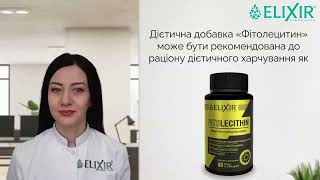
Lecithin
- (from the Greek. - yolk) - the common name for a group of fat-like
substances, which is a mixture of phospholipids (65-75%) with triglycerides,
plays a key role in many physiological processes of the human body. One of its
most important functions is that it serves as a source of choline - an
essential nutrient that ensures the proper functioning of the brain, liver,
heart and other organs.
Lecithin
is a natural mixture of phospholipids, among which the most important is
phosphatidylcholine - a compound that provides the body with choline. Lecithin
can be found in many foods, such as eggs, soy, meat, fish, nuts and seeds.
There are also dietary supplements with lecithin, which are recommended to
support cognitive function and general health.
The
uniqueness of lecithin as a source of choline lies in its high bioavailability.
Once in the body, it is quickly broken down into components, among which
choline is absorbed to perform its functions.
Regular
consumption of lecithin has the following benefits:
-
Improving memory and attention - thanks to the synthesis of acetylcholine.
-
Supporting liver function - preventing fatty degeneration.
-
Strengthening the cardiovascular system - thanks to reducing the level of
"bad" cholesterol.
-
Helping to combat stress - normalizing the functioning of the nervous system.
One
of its most important functions is that it serves as a source of choline - an
essential nutrient that ensures the proper functioning of the brain, liver,
heart and other organs.
Choline
is a water-soluble nutrient that belongs to the group of B vitamins. The human
body is able to synthesize choline in small quantities, but this is usually not
enough to cover the needs. Therefore, it must come with food or supplements.
The
main functions of choline include:
-
Synthesis of acetylcholine - a neurotransmitter responsible for transmitting
signals in the nervous system. This is important for memory, concentration and
motor coordination.
-
Support of the cell membrane - choline is part of the phospholipids that are
the basis of cell membranes. This ensures their elasticity and integrity.
-
Fat metabolism - choline helps transport fats from the liver, preventing its
obesity.
-
Fetal development - in pregnant women, sufficient levels of choline contribute
to the proper formation of the child's nervous system.
Choline
plays an important role in homocysteine metabolism through participation in
the synthesis of methionine - an amino acid from which homocysteine is
formed. The main connection between choline and homocysteine is that choline
serves as a source of methyl groups for the remethylation of homocysteine to
methionine:
The
role of choline as a methyl donor: Choline is converted in the body to betaine,
which participates in the remethylation process. Betaine transfers a methyl
group to homocysteine, forming methionine. This process is an alternative
remethylation pathway that complements the action of the enzyme methionine
synthase.
Importance
for homocysteine balance: Betaine, formed from choline, allows the body to
maintain normal homocysteine levels even in the presence of deficiencies in
other methyl donors, such as folate. This is especially important for people
with genetic enzyme defects (e.g. MTHFR mutations).
Protection
against hyperhomocysteinemia: Sufficient choline intake helps to reduce
homocysteine levels, which protects blood vessels and reduces the risk of
cardiovascular disease.
Therefore,
choline is an important component in the metabolism of homocysteine, providing
an additional route for its utilization and supporting cardiovascular health.
Lecithin
as a source of choline is an indispensable component of a healthy diet. Its
benefits go far beyond simple nutrition, affecting brain function, liver health
and metabolism. Providing the body with sufficient choline, through the
consumption of lecithin-rich foods or dietary supplements, is an important step
towards maintaining good health and preventing many diseases.
1
capsule contains: lecithin - 1200 IU (mg).
Ingredients:
lecithin (sunflower or soy); soft gelatin capsule shell: gelatin (gelling
agent), glycerin (E422), water.
Recommendations
for use: can be recommended for dietary nutrition as a source of choline, which
contributes to normal homocysteine metabolism and lipid metabolism;
maintaining normal liver function.
Method
of use and recommended daily amount: adults and children from 12 years old, 1-2
capsules 1 time per day during meals.
Other
amounts of use should be agreed with a doctor.
Duration
of use: up to 4 weeks. Further, the duration of use and the possibility of a
repeated course should be agreed with a doctor.
Precautions
for use: individual sensitivity to individual components of the product,
children under 12 years old, pregnant women and women during lactation.
May
contain traces of fish, crustacean, sesame, wheat, soy products.
Before
use, it is recommended to consult a doctor.
Do
not exceed the recommended amount.
Dietary
supplement should not be used as a substitute for a balanced diet.
Release
form: soft and, gelatin capsules with a content of 1200 mg in the
amount of 60 pcs. in the manufacturer's packaging.
The
date of manufacture coincides with the production batch number.
Storage
conditions: at a temperature of +5°C to +25°C and a relative humidity of not
more than 85% in a dry place, protected from direct sunlight and inaccessible
to children.
Shelf
life: 24 months from the date of manufacture.
Not
a medicinal product.
Manufacturer:
LLC "EKOSVIT OIL".
PAYMENT METHODS:
- Payment upon receipt of goods in the warehouse of transport company («Ukrposhta» or «Nova Poshta»)
- 100% advanced payment for goods on «PrivatBank» card.
ATTENTION! Remember that when paying by cash on delivery, you pay for the money transfer according to the tariffs of these transport services.
MINIMUM ORDER AMOUNT — 100 UAH
Special conditions for wholesalers. Ask manager for information by phone: +38 067 634 30 77


.png "Elixir")